
"If we have no peace, it is because we have forgotten that we belong to each other."
– Mother Teresa
We tend to think of peace as a state of rest. Some tranquil place where nothing happens. But peace is neither static nor passive. Rather, it is active. A deliberate choice. It is not the absence of war, which is often nothing more than an uneasy peace. It’s not about compromise or capitulation either, where to avoid conflict we keep the peace. Instead, it’s a state of calm readiness, in balance with ourselves, others and the world.
That balance requires our ongoing attention. Because while peace creates space for us to breathe, flow and thrive, it’s easily threatened. Yet it is the birthright of every living being on the planet.

How do we find peace?
First we must seek peace within, because we need to understand for ourselves its significance in our own lives. If we are willing to listen before we react, to think before we speak, to recognise where our attitudes and actions fall short, to face our own inner conflicts, we can consciously become more peaceful and productive. This requires that we pay attention and are open, tolerant and engaged. For peace is a dynamic interaction between ourselves and the world, constantly flowing inwards and outwards, and back again. Our role is to find the balance.
Peace is a dynamic interaction between ourselves and the world
To do that we need to accept we do not always have all the answers and be willing to listen, accepting others have different lives with their own valid perspectives.
Everything we do ultimately affects everyone, much as we are impacted by the actions of others. Our words and actions can spread harmony or sow discord. One has the power to heal, the other to hurt. The choice is ours. So, peace starts with us. Each of us is answerable for what happens in our homes, our communities, our countries, even the world.
Dealing with conflict
Conflict is part of life. There is nothing inherently wrong in disagreeing with someone. Differences of opinion can even be productive. As the poet William Blake famously put it, “Without contraries is no progression”. Indeed, nonconformity brings an energy to a situation. But it’s how we deal with that dynamism that matters. Disputes offer an invitation to engage, to learn about someone else, to experience another point of view. We do not have to agree, but we do have to listen with an open heart and mind.
In moments of conflict we often instinctively choose between “fight or flight” mode. But we can tune into a third option. One that is a more creative way of dealing with our problems: respect, reciprocity, impartiality and negotiation. If both parties genuinely seek the best outcome for all, they will undoubtedly come to a resolution.
Nonconformity brings an energy to a situation
Does that sound Utopian? Probably. But if we can imagine war (and we do, endlessly), why can’t we imagine peace? What if we stopped thinking about the need to win and just held in our hearts an idea of what peace might look like for everyone? And then worked out how to get there? Imagine a world where our leaders put their energy into solving problems instead of creating them.
The cost of war
If we look at the world today it is easy to be discouraged. Wars seem to rage everywhere. Thousands are killed or displaced. Wildlife is wiped out, vegetation obliterated. These scars may take decades to fade. Despite every major religion tells us that killing and stealing are wrong the strong continue to take from the weak. Likewise, the Universal Declaration of Human Rights affirms the rights and freedoms of every human being. Why then do we allow war to happen?

Wars happen partly because we have leaders who do not have the interests of humanity at heart. Blaming our economic woes on the vulnerable or targeting those who cannot defend themselves are cowardly ways of avoiding real societal or international problems. By inciting hatred and violence against our neighbours, we hide behind a mask of righteous anger. It makes no sense to attack civil liberties in the name of safeguarding our countries. When a government loses its way in a maze of greed, fear or ignorance it affects us all.
Moreover, it is an illusion to think that going to war is easier than working for peace. The true price of war is always higher than the cost of weapons or even the deaths of soldiers and civilians. Consider children growing up without parents, economic turmoil, endemic poverty, shattered cities, scientific and creative thought stifled. And the impact enduring for generations. For war is a short-sighted attempt to resolve complex issues. And as we know there are no winners in war.
Is global peace possible?
Because peace is always a heartbeat away from discord, it requires an ongoing commitment. We cannot take anything for granted because the balance of peace is fragile. To avoid war we as citizens of the world must be constantly vigilant. We can challenge misinformation and words or actions that incite discord or violence.
It is an illusion to think that going to war is easier than working for peace
About half the word lives in a democracy of some sort and we can use our voice and vote to elect leaders that put the public good rather than their private interests first. By speaking up, by considering carefully how we cast our votes we can avoid ceding our rights to those who would exploit us or others.
Our next job is to stay informed, both at grass roots level and in the broader world. Are the laws our country upholds just? Does everyone have a voice? Are the vulnerable looked after? We may need to be vocal, even in the face of dissent or intimidation. In a country where freedom of speech is not permitted we may even be jailed for challenging the abuse of power. It may not be easy. We may want to hide. The powerful may appear to hold all the cards. But if enough people have the courage to stand up and be heard, eventually the authorities have to listen. Think of the end of apartheid in South Africa or how Indian independence was achieved through non-violent civil disobedience. These changes had a major effect on the rest of the world. Everything we do matters.
Fighting for peace
Creating peace is a process. Finding a lasting solution after conflict must involve the participation of all parties, and all levels of society. It takes time and patience. All sides should listen to each other and appreciate of the intricacies and scope of the situation. If the parties can come to a meaningful consensus it is time well spent. A hard won peace can heal old wounds and establish the right conditions for all to share in a better future.
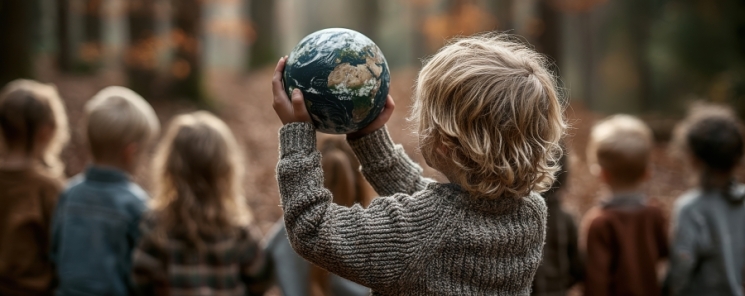
True peace means being at peace within yourself and with the world. In the same way we create peace within ourselves, so the world can find peace too. We may not always find it easy to keep our balance, but it is imperative that we keep striving for it. Because peace is a universal responsibility, a commitment we all need to embrace. And one worth fighting for.
By Thérèse Barton
The views expressed in this article are not necessarily those of Spirit of the Rainbow.
If you enjoyed this article, share it with a friend. And why not sign up for our newsletter?
Popular posts
You might also like
Email Newsletter Our latest articles and offers delivered straight to your inbox.